Mathias Lasoen
Head of Growth Marketing
Scheduling and capacity planning in QC laboratories is challenging and complex. That growing complexity is, more and more, a hurdle that keeps organizations from fully increasing efficiency in QC labs. Binocs, instead, embraces that complexity and optimizes QC laboratory operations in 6 ways:
Lab scheduling still heavily relies on the supervisor’s knowledge and experience to manage the schedule of his/her team. As supervisors are often using (disintegrated) excel documents, it’s difficult to keep oversight.
With Binocs, all your data is in one place. See it as a network of information that Binocs can automatically navigate (even when your best planner is on holiday). It relies on the same information model to intelligently support organizations, from short-term scheduling to long term decision making.
Labs are often silos, and each silo has its own schedule. It’s challenging to organize resource exchange between labs cost-effectively.
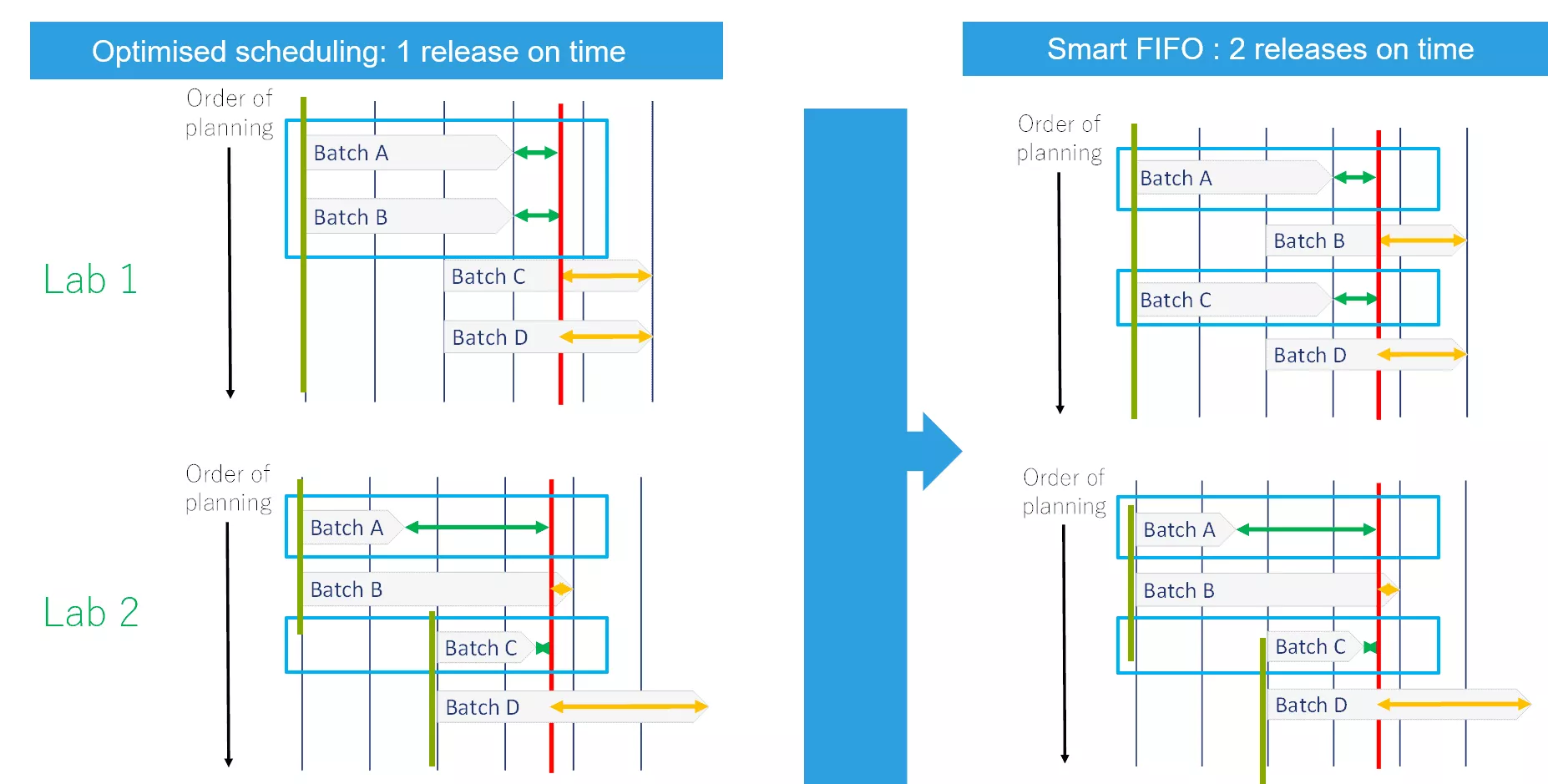
Binocs connects different labs and departments within your organization. Hence it’s easy to see: where do I have a lack of resources, and where do I have an excess of resources? Based on that information, you can share team members and equipment with other teams. By connecting the different labs, Binocs applies smart FIFO: aligning scheduling between labs to optimize the service level of the entire release.
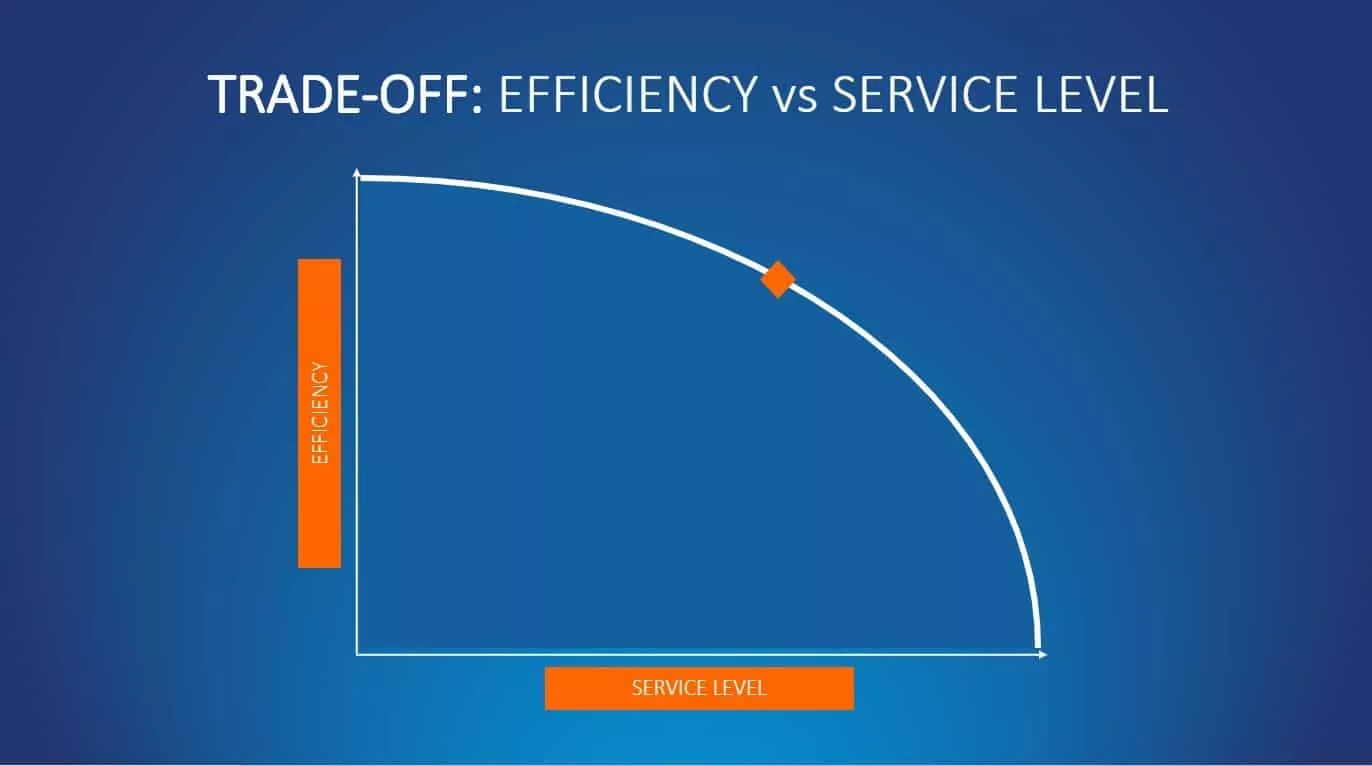
Labs want two things: execute samples with as little resources as possible (efficiency) while making sure samples are executed without delay (planning adherence). Planners need to make that trade-off constantly. However, still too often, what to prioritize depends on the planner’s interpretation. In short, there is too little consistency in what to prioritize when.
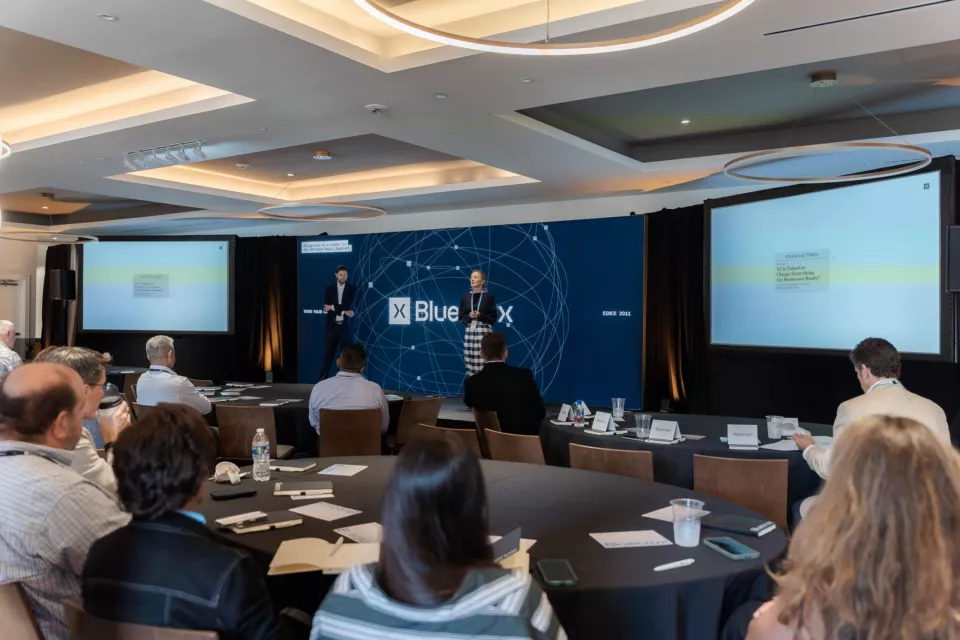
By defining ‘campaign rules,’ Binocs makes consistent, intelligent trade-offs between planning adherence and efficiency (as demonstrated at Lab of the Future 2020). Two simple examples:
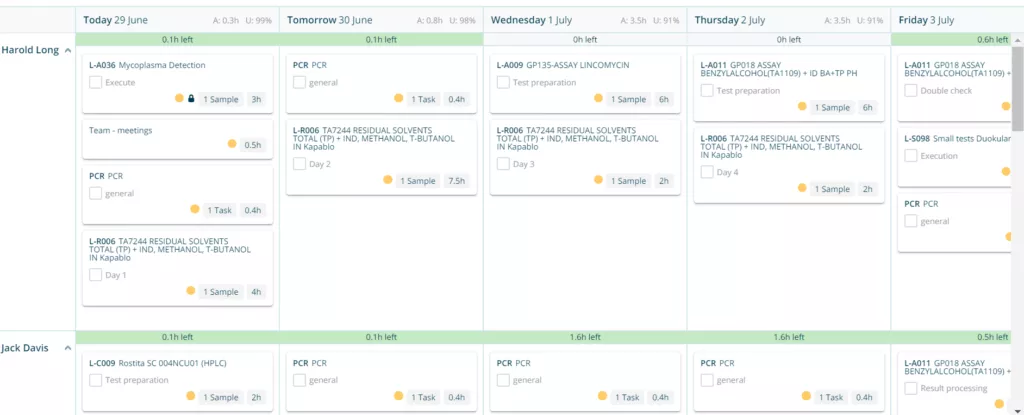
Making a schedule is time-consuming because there are a lot of variables that need to be taken into account: team member & equipment availabilities, competences, priorities, due dates, …
Binocs automates the most time-consuming part (puzzling everything together) and, in a click of a button, proposes a schedule. The planner can use his/her time to fine-tune further and optimize. Three cool things about the scheduling algorithm:
Let’s face it: scheduling often involves a lot of different systems, data sources, excel documents… And unfortunately, more often than not, these systems are unable to communicate. Needless to say that this is inefficient, too rigid, and time-consuming (double data entry).
The philosophy at Binocs is moving from double data entry to ZERO data entry! Binocs offers automatic interfacing with LIMS, LES, ERP, … For example:
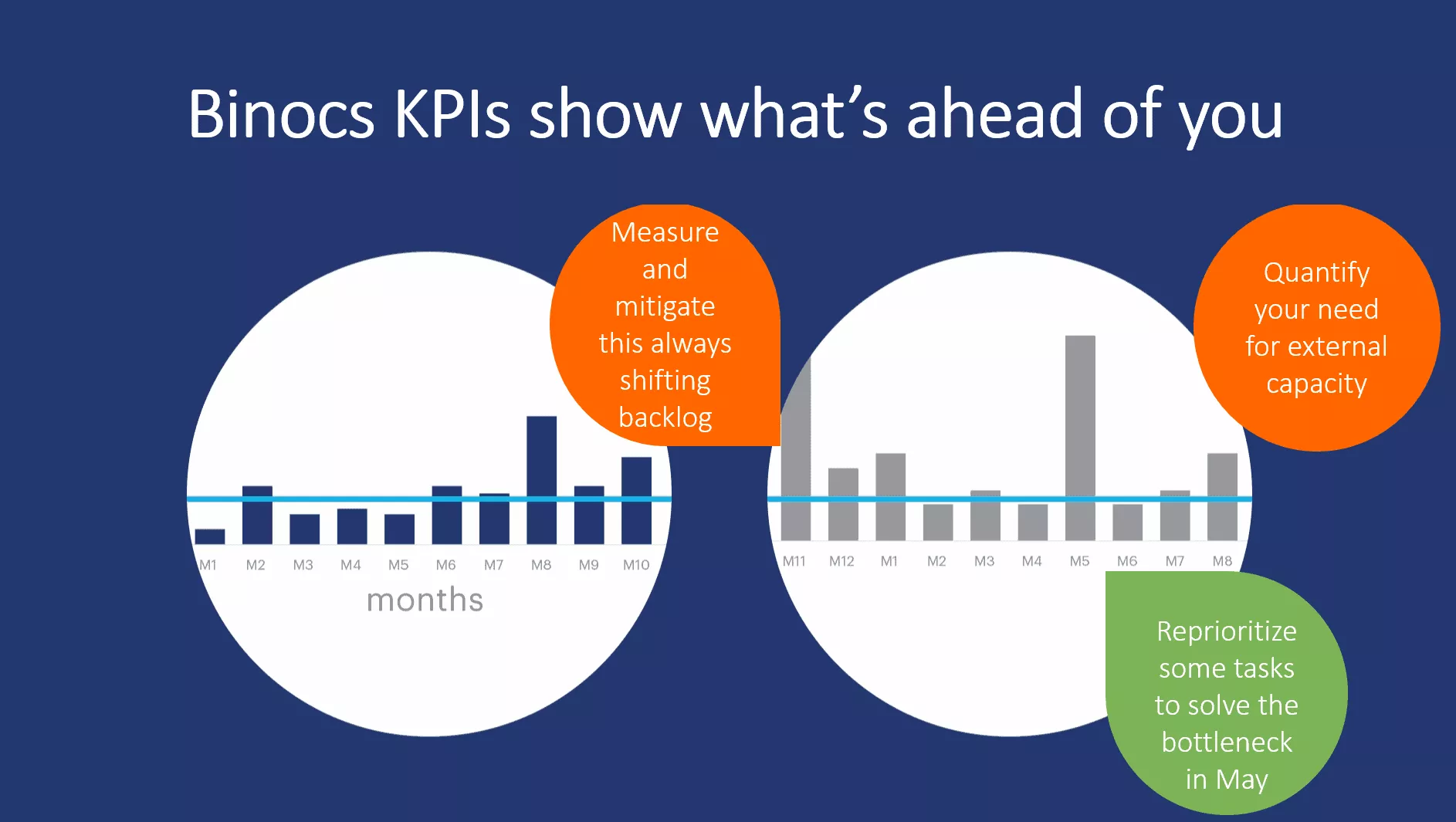
Most QC KPIs show past performance: what was our on-time delivery, what was our throughput, what was our turn-around,…
In Binocs, KPIs also show what’s ahead of you. What will be our on-time delivery? What will be our throughput? What will be our turn-around? In short, it supports your decision making on both sides of the fence: what do we know about the past (backward-looking)? And what do we expect in the future (forward-looking)?
Do you want to optimize your lab operations in an efficient way? Contact us for more info or request your free demo!
Mathias is the Head of Growth Marketing for Binocs.