AI-driven planning is changing how decisions are made across complex value chains, and it is reshaping what it means to be a planner. The role is shifting from execution to strategic partnership, supported by AI that reduces complexity and sharpens focus. The real opportunity lies in adoption, trust, and creating the conditions for lasting impact at scale.
In a rush? Here are the 3 key takeaways
- 👉 Planners are moving from execution to strategic partnership, supported by AI that reduces complexity and sharpens focus.
- 👉 Adoption and trust matter more than tools; design around user experience, quick wins, and clear ownership to build confidence.
- 👉 Human + AI is the new model: agentic AI handles routine decisions so the business can focus on what drives cost, service, and growth.
Planning environments today are too complex for linear tools. Data is scattered. Decisions need to be faster. Volatility is now constant. And planners are expected to do more than execute; they are expected to drive insight and lead alignment.
The challenge is that many still operate in manual workflows, with fragmented data and limited time to look beyond short-term firefighting. AI has the potential to shift that. Its real value lies not in automation alone, but in reducing complexity so planners can focus where they have the most impact.
The future of planning is not autonomous; it is augmented. AI systems are increasingly being used to surface risks, summarize scenarios, and recommend actions in real time. Instead of spending hours chasing data, planners can spend that time engaging stakeholders and steering outcomes.
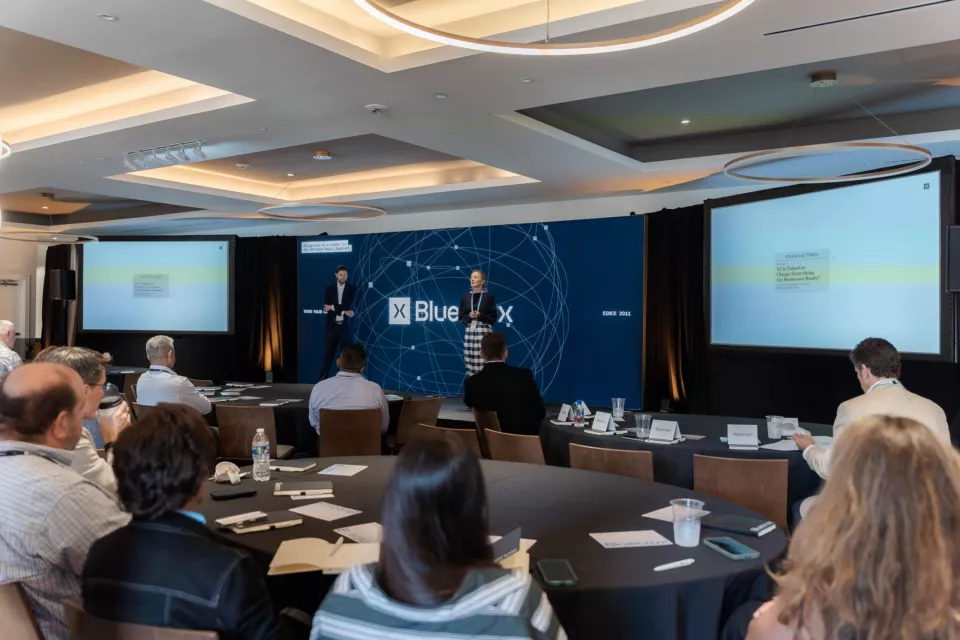
In our recent Cutting X Connect for CPG Planning discussions, CPG leaders described how AI co-pilots, real-time control towers, and planning assistants have started to reduce noise and build consistency across teams. The result is faster decision-making, more transparency, and greater planner confidence.
AI adoption does not start with a training session. It starts when planners see how the system makes their work easier. Trust builds when models reflect reality, when users see their input matters, and when quick wins reduce scepticism.
The best teams support adoption by designing around experience. They do not just roll out tools; they pilot with users, embed learning moments, and build confidence by showing progress early. When AI reduces friction instead of creating it, engagement follows naturally .
Organizations that succeed with AI planning transformation treat it as a behavioral and cultural evolution, not a tech upgrade. Leaders play a critical role in reinforcing new ways of working and keeping teams focused on the why, not just the how.
That means sponsoring cross-functional use cases, celebrating user-led improvements, and creating a space where human expertise and AI outputs complement each other. Teams do not need full automation to succeed. They need clarity, speed, and support to accelerate what they already do best.
As planning technology evolves, so does the role of the planner. The most successful teams will be the ones that empower planners with AI, not to replace judgment, but to better support it with automated data analysis, proposed measures and their consequences.
The result is a more confident, capable planning function. One that is built on trust, grounded in insight, and ready to move at the speed the business demands.
Bluecrux creates genuine trusting relationships with their clients because of the expertise and degree of realism they bring with them
Participant, Cutting X Connect: CPG Planning
A leading global consumer health company
 News
 News